
Cold brew and cold drip coffee methods have gained immense popularity for their smooth flavours and reduced acidity, making them perfect options for coffee lovers seeking refreshing alternatives to hot brewing. Both techniques use cold water extraction to create distinctive coffee profiles, but they differ significantly in brewing method, equipment requirements, and the resulting taste characteristics.
Key Takeaways
- Cold brew uses an immersion method requiring 12-24 hours of steeping, while cold drip employs a percolation technique taking just 2-6 hours
- Cold brew typically produces a smooth concentrate requiring dilution, while cold drip creates a ready-to-drink coffee with a fuller body
- The equipment needed ranges from simple household items for cold brew to specialized drip towers for cold drip
- Both methods result in lower acidity compared to hot coffee, making them gentler on sensitive stomachs
- Cold brew concentrate can be stored for up to 2 weeks refrigerated, while cold drip is best enjoyed fresh
Cold Brew vs Cold Drip: Understanding the Key Differences
The main difference between cold brew and cold drip coffee lies in their extraction methods. Cold brew utilises an immersion technique where coffee grounds are completely submerged in cold water for 12-24 hours. This patient process extracts flavour compounds slowly, resulting in a smooth, low-acid concentrate that typically requires dilution before serving.
Cold drip, in contrast, employs a percolation method where water slowly drips through a bed of coffee grounds over 2-6 hours. This technique creates a cleaner, more complex coffee with a fuller body and richer flavour profile that's usually ready to drink without dilution.
Another notable distinction is the coffee-to-water ratio used in each method. Cold brew generally requires more coffee grounds per volume of water to achieve its characteristic concentrated strength. Cold drip uses fewer grounds but achieves similar strength through its more efficient extraction process.
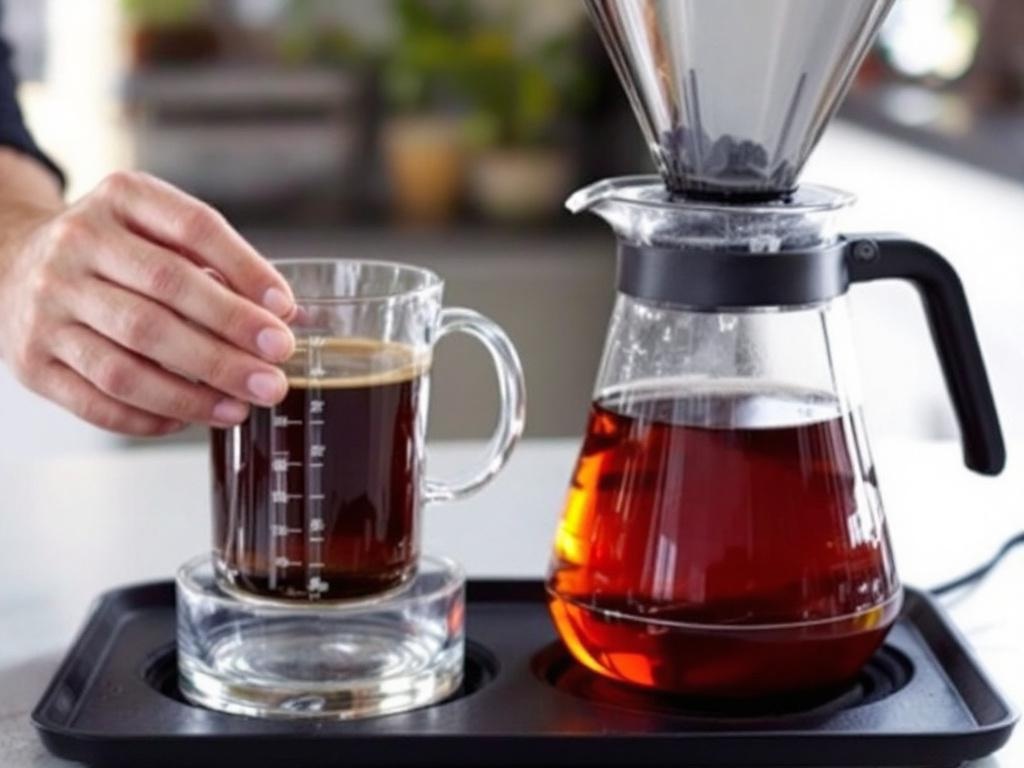
Mastering Cold Brew: The Simple Immersion Method
Cold brew coffee is made by steeping coarsely ground coffee in cold or room-temperature water (68–75°F / 20–24°C) for an extended period. This method is remarkably straightforward and requires minimal equipment, making it perfect for home brewing.
To create excellent cold brew, you'll need to maintain a proper coffee-to-water ratio of 1:4 to 1:8 by weight. The grind size should be coarse—similar to sea salt texture—to prevent over-extraction and bitter flavours. Using medium to dark roast beans often yields the best results with this method.
The beauty of cold brew lies in its simplicity and flexibility. You can use common household items like mason jars, French presses, or glass pitchers as brewing vessels. After steeping, simply filter the mixture through a fine mesh sieve or coffee filters to remove the grounds.
Here's a basic cold brew process:
- Combine coarse coffee grounds and cold water in your container
- Stir gently to ensure all grounds are saturated
- Cover and let steep for 12-24 hours in the refrigerator
- Stir once more after the first hour if possible
- Filter thoroughly through a fine mesh sieve and/or coffee filters
The resulting concentrate will have a higher caffeine content per serving due to its concentration and can be stored in an airtight container in the refrigerator for up to two weeks.
Cold Drip Brewing: Precision Through Slow Extraction
Cold drip coffee requires more specialised equipment but rewards brewers with a clean, complex flavour profile. This method uses a drip tower apparatus with separate chambers for water, coffee grounds, and the finished brew.
The tower setup allows water to pass slowly through the coffee bed, extracting flavour as it filters drop by drop to the bottom vessel. Most cold drip systems allow you to adjust the drip rate, typically aiming for approximately one drop every 1-2 seconds.
Cold drip brewing takes between 2-6 hours, significantly less time than cold brew, yet still produces a rich, nuanced coffee. The method excels at preserving delicate floral notes and natural sweetness in the beans while still achieving a full-bodied result.
For optimal cold drip results:
- Fill the top chamber with ice water
- Pack the middle chamber with evenly distributed coarse grounds
- Set the drip rate to approximately one drop per second
- Allow 3-5 hours for the complete brewing process
- Collect the finished coffee in the bottom vessel
While requiring more attention and equipment investment, cold drip produces an inherently filtered coffee with minimal sediment and a clean, bright taste that many coffee enthusiasts prefer.
Essential Equipment and Setup for Both Methods
The equipment needed for cold brew and cold drip varies significantly in complexity and cost. Cold brew requires minimal financial investment, needing only basic items most kitchens already have:
- Large glass jars or pitchers
- French press (optional but convenient)
- Fine mesh sieves
- Coffee filters
- Airtight storage container
Cold drip, however, demands more specialised apparatus. A proper cold drip tower typically includes:
- Multiple chambers for water, grounds, and collection
- Adjustable valve for precise drip control
- Coffee bed container with filter mechanism
- Collection vessel
Both methods require coarse ground coffee with a texture similar to sea salt. This prevents over-extraction and ensures the water can properly flow through the grounds. Cold brew is ideal for large batch brewing, while cold drip requires more attention but yields a cleaner, more aromatic result.
For beginners, cold brew offers an accessible entry point with its forgiving nature and simple equipment. Coffee enthusiasts looking to expand their brewing repertoire might find the precision of cold drip worth the additional investment in equipment.
Step-by-Step Brewing Instructions and Pro Tips
For perfect cold brew coffee, follow these detailed steps:
- Measure fresh, coarsely ground coffee using a 1:4 to 1:8 ratio with water
- Add grounds to your brewing container and pour in cold, filtered water
- Stir gently to ensure all grounds are saturated
- Cover and steep for 12-24 hours (longer for stronger concentrate)
- Filter thoroughly, first through a mesh sieve, then through coffee filters
- Store concentrate in an airtight container in the refrigerator
- Dilute with water, milk, or pour over ice before serving
For optimal cold drip results:
- Assemble your drip tower according to manufacturer instructions
- Fill the top chamber with ice and cold water
- Add coarsely ground coffee to the middle chamber, distributing evenly
- Dampen the coffee bed slightly before starting the drip process
- Set the drip rate to approximately one drop per second
- Allow 3-5 hours for the brewing process to complete
- Serve directly from the collection vessel or transfer to storage
Pro tips for both methods include using high-quality, freshly roasted beans ground just before brewing. Medium to dark roasts typically work best for cold methods. For cold brew, stir the mixture once after the first hour of steeping to ensure even extraction. For cold drip, pre-wetting the coffee bed helps prevent channeling and ensures uniform extraction.
Flavour Profiles, Caffeine Content, and Serving Suggestions
Cold brew delivers a smooth, naturally sweet taste with significantly lower acidity than hot-brewed coffee. This makes it particularly gentle on sensitive stomachs. The concentrated nature of cold brew means it contains more caffeine per volume, which is why dilution is typically recommended before serving.
Cold drip produces coffee with a fuller body and richer complexity. It maintains the bean's natural flavour notes more distinctly, often highlighting floral and fruity characteristics that might be lost in other brewing methods. While still having low acidity, cold drip creates a strong but balanced coffee that's usually ready to drink without dilution.
Both methods reduce acid levels compared to hot brewing, with cold brew typically having the lowest acidity profile. This makes these cold methods excellent options for those who find traditional coffee too harsh on their digestive system.
For serving suggestions:
- Cold brew concentrate can be diluted with water (1:1 ratio), milk, or poured over ice
- Cold drip can be enjoyed straight, over ice, or with a small splash of milk
- Both make excellent bases for coffee cocktails and flavoured drinks
- Cold brew can be heated for a smoother hot coffee experience
Regarding storage, cold brew concentrate can last up to two weeks when refrigerated in an airtight container. Cold drip coffee is best consumed within a few days of brewing for optimal flavour.
Sources
Tiny Footprint Coffee - What's the Difference Between Cold Brew and Drip Coffee?
Breville Coffee Journey - Cold brew vs. cold drip: What's the difference?
Goat Story - Cold Brew or Cold Drip
Drip Roast - Is Cold Drip Better than Cold Brew?
Home Barista - Cold brew vs. cold drip
I don't see any article content provided between the